%20(2).png)
Ming the Clam: Five Centuries in a Shell
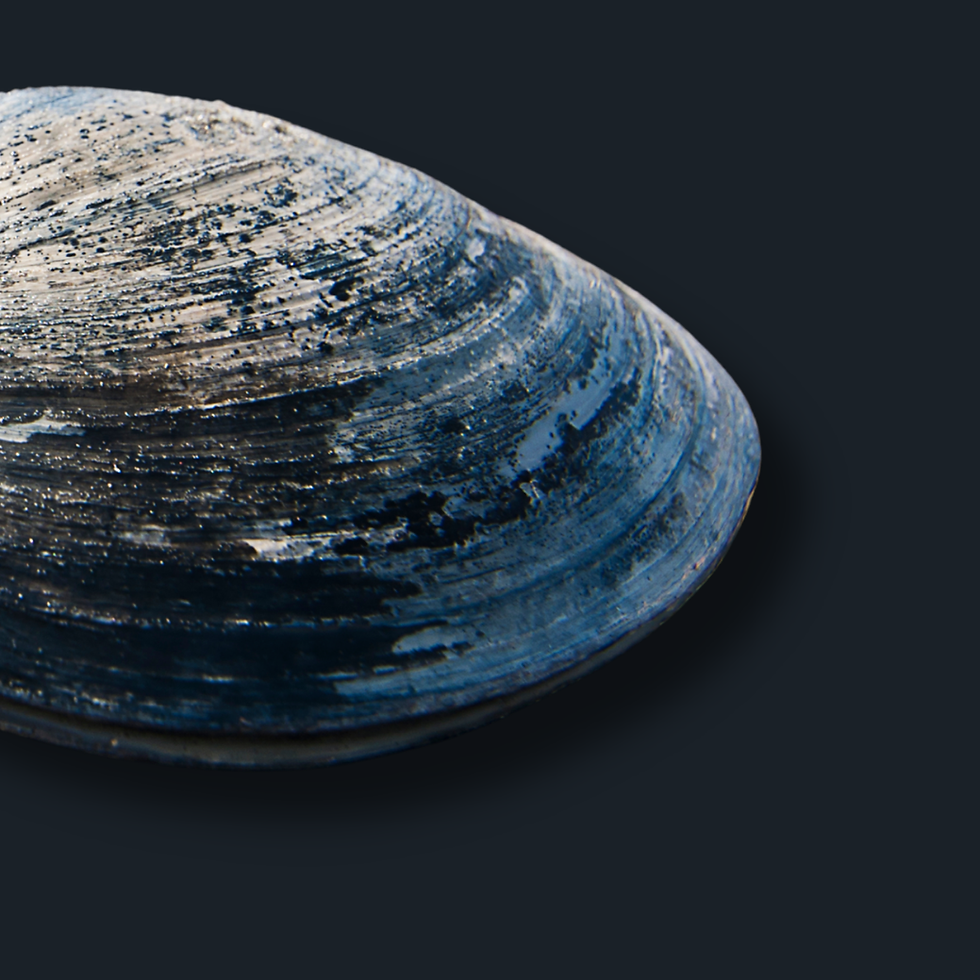
Picture an animal that was already alive when Christopher Columbus was still sailing the Atlantic, an animal that quietly kept living through the entire Ming Dynasty, the invention of the printing press, and two world wars, all while sitting in the cold mud at the bottom of the ocean. That animal was real. It was a clam, it was named Ming, and its story is one of the strangest mixes of scientific triumph and awkward timing you will ever read about.
Meet Ming
In 2006, a team of researchers dredged up around 200 ocean quahog clams from the seafloor off the coast of Iceland. Ocean quahogs, scientific name Arctica islandica, are known for living an unusually long time, so scientists were studying them to learn more about ocean conditions over the centuries. One clam in that haul turned out to be very different from the rest. Just a few inches long and nothing special to look at, it would soon be identified as the oldest known individual animal ever documented.
How Scientists Figured Out Its Age
Ocean quahogs grow a new ring on their shell every year, kind of like the growth rings inside a tree trunk. Researchers from Bangor University in the United Kingdom counted those bands on the clam's shell and got an eye popping number: somewhere between 405 and 410 years old. That alone would have made it the oldest animal ever recorded. But the story did not stop there.
A few years later, in 2013, the same research team took a closer look using a more precise method. They sliced the shell into thin sections and examined it under a microscope, then backed up their band count with radiocarbon dating, a technique that measures the decay of a radioactive form of carbon to estimate age. The results were shocking even to the scientists themselves. The clam was not 405 years old. It was 507, meaning it hatched around the year 1499, right in the middle of China's Ming Dynasty, which is exactly where its nickname came from.
The Awkward Part
Here is the twist that made headlines around the world. Nobody realized how old this particular clam was until after it had already died. Like the rest of the clams collected that day, it was frozen on the boat for transport and later opened up for study, a standard part of the original aging process. In other words, the very same research that revealed Ming's incredible age also happened to be the reason it did not survive. When the news broke in 2013, plenty of people online were upset that scientists had accidentally ended the life of the oldest animal on record. Researchers pointed out that ocean quahogs are commonly used in clam chowder and that some of the seafood on dinner plates could plausibly be centuries old too, which did not make people feel much better about it.
Why a 500-Year-Old Clam Actually Matters
This is not just a quirky trivia fact. Ming and its shell bands became a genuine scientific tool. Each growth ring reflects the ocean conditions of that particular year, things like water temperature and chemistry. That means a clam like Ming is basically a five-century-long, layer-by-layer diary of the North Atlantic Ocean. Researchers use these long-lived shells to reconstruct historical climate data for the ocean, information that is extremely hard to get any other way, since most direct ocean temperature records only go back a century or two. Understanding how ocean conditions shifted over hundreds of years helps scientists build better models of how the climate is changing today.
Ming's story also fuels research into longevity itself. Scientists want to understand why ocean quahogs can live for centuries while similar-looking clams live only a few years. Some research points to slower metabolisms and unusually effective cellular repair systems, and scientists studying aging in humans keep an eye on long-lived species like this one for clues about what allows some organisms to resist the wear and tear of time so much better than others.
Was Ming Really the Oldest Animal Ever
With an asterisk, yes. Ming holds the record for the oldest non-colonial animal, meaning a single individual organism rather than a colony made of many connected organisms. Colonial organisms like certain deep sea corals can technically live for thousands of years, but they are made up of countless individual polyps working together rather than one single animal aging as a unit. Among animals that live as one single body from birth to death, Ming's 507 years remains the record to beat.
The Bottom Line
Ming the clam lived through more than five centuries of human history without anyone noticing, until scientists accidentally ended its life while trying to figure out exactly how old it was. That bittersweet ending turned out to matter for real science, giving researchers a rare, centuries long record of ocean conditions and fresh clues about why some animals age so much slower than others. Sometimes the most extraordinary discoveries come from the most ordinary looking places, even the bottom of the sea floor and a very old, very unassuming clam.
Sources
CBS News. "Ming the clam, world's oldest animal, was actually 507 years old." cbsnews.com/news/ming-the-clam-worlds-oldest-animal-was-actually-507-years-old
Christian Science Monitor. "Scientists discover world's oldest clam, killing it in the process." csmonitor.com/Science/2013/1115/Scientists-discover-world-s-oldest-clam-killing-it-in-the-process
IFLScience. "An Ocean Quahog Clam Called Ming Was Once the World's Oldest Individual Animal." iflscience.com/the-worlds-oldest-individual-animal-was-born-in-1499-ce-in-2006-humans-accidentally-killed-it-81942
National Geographic. "Oldest Clam Consternation Overblown." nationalgeographic.com/animals/article/131116-oldest-clam-dead-ming-science-ocean-507
Amgueddfa Cymru, National Museum Wales. "Meet Ming the clam, a closer look at the oldest animal in the world." museum.wales/blog/2123/Meet-Ming-the-clam---a-closer-look-at-the-oldest-animal-in-the-world
Hektoen International. "Ming the clam: Methodical measurement of the maturity of the Methuselah of mollusks." hekint.org/2024/05/02/ming-the-clam-methodical-measurement-of-the-maturity-of-the-methuselah-of-mollusks
Snopes/Yahoo News. "Fact Check: Yes, Clam Named 'Ming' Is Oldest Living Animal Ever Found." tech.yahoo.com/science/articles/fact-check-yes-clam-named-140000830.html



Comments